What happens legally when a child is hurt in a car accident
Author(s): Daniel Garas
September 22, 2026
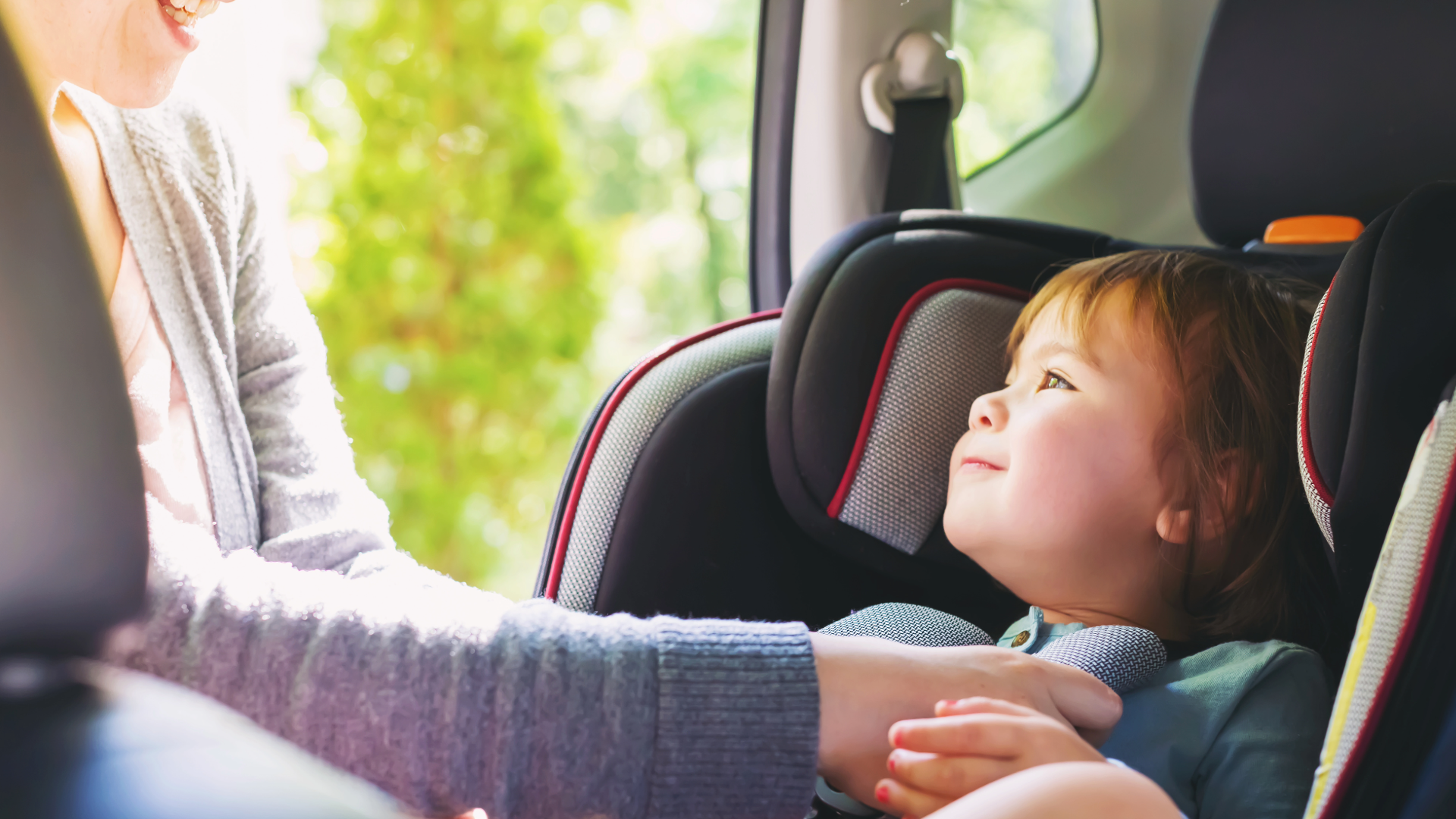
Child Passenger Safety Week runs from September 20 to 26, 2026, and it serves as a reminder from organizations like Transport Canada and the National Highway Traffic Safety Administration (NHTSA) that errors with respect to car seats and booster seats remain a common concern, and that improper restraint can significantly raise the risk of serious injury in a crash5. It is also a good time for Ontario parents to understand what happens legally when a child is hurt in a motor vehicle collision, and how questions about restraint and installation can affect a claim.
When a child is injured in a car accident, the legal process generally follows the same path as any personal injury claim: someone must be found at fault, and that party’s auto insurer is typically responsible to compensate the child. Children’s claims carry added legal considerations that adult claims do not, especially when a driver, parent or caregiver’s own conduct plays a part in the story.
In Ontario, a child injured in an accident can pursue compensation for pain and suffering, past and future medical and rehabilitation costs, and, in serious cases, loss of future income. Because a child cannot bring a legal claim for themself, a parent, guardian or the Office of the Children’s Lawyer typically acts as their litigation guardian, and any settlement reached on a minor’s behalf must be approved by a court to confirm it is in the child’s best interests.
Below are common scenarios that complicate a child’s claim, and how each is generally treated.
If the child was not properly restrained
If a child was not wearing their seatbelt, not in the correct car seat or booster seat at all, or was using the wrong restraint for their age, height or weight under Ontario’s Highway Traffic Act1, that child’s parents may be implicated despite the at-fault driver of the other vehicle still remaining largely responsible. There is also a potential for contributory negligence on the part of the child though this will depend on the child’s age, intelligence, and other contributing factors. Ultimately, insurers will often argue for a reduction in the payout on this basis.
If the car seat was installed improperly
Car seat misuse is one of the central issues Child Passenger Safety Week is meant to address5, and a car seat that is not properly secured, or one that inappropriate for a child’s age or size, can significantly increase the severity of an injury in a crash. Depending on the facts, this can raise several distinct legal questions:
- Was the caregiver who installed the seat negligent, and does that reduce the child’s claim against the at-fault driver;
- Was the car seat itself defective or non-compliant with Canada Motor Vehicle Safety Standard 213 (CMVSS 213)3, which could support a separate product liability claim against the manufacturer; and,
- Did the vehicle’s LATCH or tether anchor system fail to perform as intended.
Each of these can run in parallel to the main claim against the driver who caused the crash. Parents can also check whether a car seat has an open safety recall through Transport Canada’s recalls database4, which is a useful first step before assuming a defect claim applies.
If the caregiver driving was also at fault
When the driver responsible for the child, a parent for example, is also the one who caused the crash, the child’s claim is not barred. A child can still bring a claim against their own parents’ auto insurance policy(ies) in these circumstances, since the law recognizes that a child should not lose their right to compensation because of a caregiver’s mistake.
Why this matters during Child Passenger Safety Week
Free car seat inspections are available in many Ontario communities during Child Passenger Safety Week, and throughout the rest of the year. They are a practical way to confirm a car seat is installed correctly before it is ever needed in a crash. Reviewing this now can reduce the risk of both injury and the legal complications outlined above.
Daniel Garas is a Personal Injury Lawyer and an Associate at Thomson Rogers LLP. Chris can be reached at 416-868-3160 or by email.
About Thomson Rogers LLP’s Personal Injury Group
Thomson Rogers LLP is a Toronto-based law firm with almost a century of experience representing plaintiffs in personal injury, medical malpractice and civil litigation matters across Ontario. The firm’s Personal Injury Group is recognized as a leading Ontario personal injury practice, known for standing with clients through the hardest moments of their lives.
Share this


Related articles:


Stay Informed
Subscribe to receive updates on the latest news from Thomson Rogers LLP as well as invitations to seminars, webinars and more.