Who Can Vote in Ontario’s 2026 Municipal Election: Eligibility, ID and the Voters’ List
Author(s): Ben Horovatin
October 1, 2026
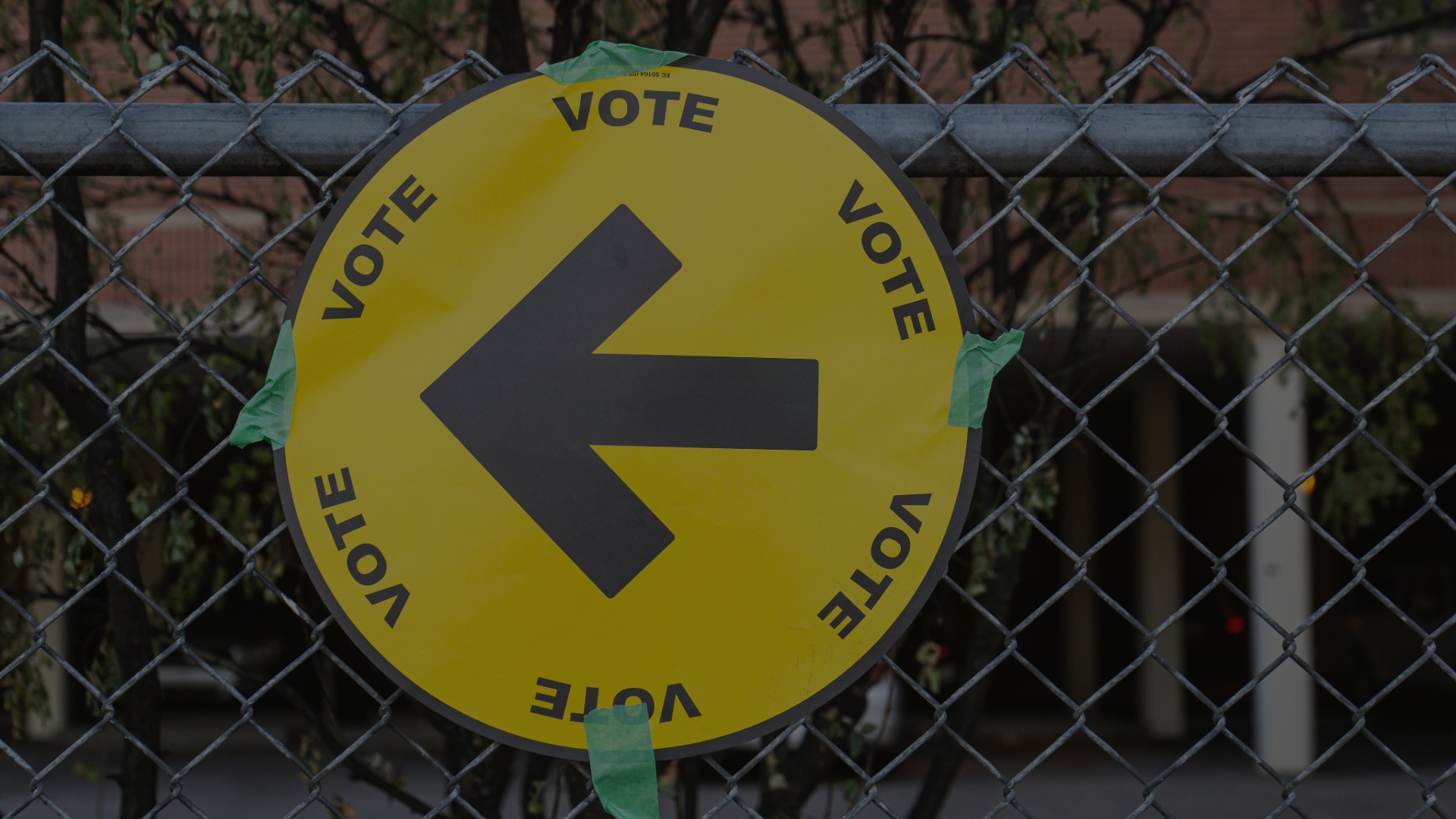
Voting day in Ontario’s 2026 municipal election is Monday, October 26, 2026, and the eligibility rules hold some surprises. Property owners can vote in more than one municipality, students can vote both at home and at school, and photo ID is not required. This article answers the voting questions municipal clerks hear most under the Municipal Elections Act, 1996 (“MEA”), which makes each municipality’s clerk responsible for running the vote (s. 11).
For the campaign rules on signs, advertising and municipal resources, see Election Signs, Third-Party Ads and Campaign Rules. For recounts, the new council’s start date and financial filing, see After Ontario’s 2026 Municipal Election.
Who Can Vote in Ontario’s 2026 Municipal Election?
Under section 17 of the MEA, a person must meet the following requirements on voting day to vote in a municipal election:
- be a Canadian citizen
- be at least 18 years old
- be either a resident of the municipality or a non-resident elector
A non-resident elector is a person who is the owner or tenant of land in the municipality, or the spouse of such an owner or tenant.
Several practical consequences follow that generate questions every election:
- Property in two municipalities. A person who owns property in two different municipalities can vote once in each municipality where they qualify. They can vote only once per municipality, and only in the ward where they live (or, for non-resident owners, the ward where the property is located).
- Seasonal residents. People who live in one municipality and cottage in another may qualify in both, if they own property or qualify as tenants in both.
- Students. Students living away from home may choose to vote both in the municipality where they live while attending school and in the municipality they consider home.
- Tenants. Tenants vote where they rent. The tenant, not the landlord, is the resident elector.
- Corporations and trusts. Corporations and trusts cannot vote. Only individuals qualify.
The Voters’ List
The voters’ list is prepared under the MEA from the preliminary list of electors. For the 2026 election, the Chief Electoral Officer of Ontario provides this preliminary list to each clerk from the permanent register of electors. The list became a public document on September 1, 2026.
Electors whose names are missing, or whose information is wrong, can be added or corrected right up to and including voting day.
Identification and Proxy Voting
Voters do not need photo identification. One piece of ID showing name and address is sufficient.
A voter who cannot attend a voting place may appoint a voting proxy under section 44 of the MEA, using the prescribed form.
Campaigning at Voting Places
Campaigning is restricted at voting places. Section 48 of the MEA prohibits two things while an elector is in a voting place:
- any attempt, directly or indirectly, to influence how the elector votes
- displaying a candidate’s campaign material or literature in the voting place
For this purpose, “voting place” includes any place in the immediate vicinity of the voting place designated by the clerk. The clerk sets the campaign-free zone around each voting place under the MEA. Complaints about campaigning at or near a voting place go to the clerk and election officials.
Voting Day: Common Questions
Do I need photo ID to vote in a municipal election?
No. You need one piece of identification showing your name and address. Your name must also be on the voters’ list, but if it is not, you can be added up to and including voting day.
Can I vote if I own property in a municipality but live somewhere else?
Yes. If you or your spouse own or rent land in that municipality, you qualify as a non-resident elector there. You can vote once in each municipality where you qualify, but only once per municipality.
What if my name is not on the voters’ list?
You can still vote. Your name can be added to the voters’ list, and your information corrected, up to and including voting day. Bring one piece of identification showing your name and address to the voting place.
Can I vote online, by phone or by mail?
It depends on your municipality. Some Ontario municipalities have adopted internet, telephone or mail voting under s. 42 of the MEA, while others use paper ballots at in-person voting places. Check your municipality’s election website for the voting methods available where you live, as well as advance voting dates and voting-day hours (10 a.m. to 8 p.m.).
Voting Terms Defined
Non-resident elector: A person who does not live in the municipality but is the owner or tenant of land there, or the spouse of an owner or tenant, and who otherwise qualifies to vote.
Scrutineer: A representative appointed by a candidate to observe voting and the counting of ballots, and to raise objections about ballots and procedures at the voting place.
Voters’ list: The list of persons entitled to vote in the election, prepared from the preliminary list of electors provided by the Chief Electoral Officer of Ontario. It became a public document on September 1, 2026, and may be corrected up to and including voting day.
Voting place: A location where an elector may cast a ballot. Campaigning is prohibited there under s. 48 of the MEA.
Voting proxy: A person appointed under s. 44 of the MEA by an elector who is unable to attend a voting place. The proxy may cast a ballot on the elector’s behalf in accordance with the Act.
Campaign terms such as third-party advertisement are defined in the campaign article, and post-election terms such as compliance audit committee in the post-election article.
Related reading:
Election Signs, Third-Party Ads and Campaign Rules in Ontario’s 2026 Municipal Election
After Ontario’s 2026 Municipal Election: Recounts, the New Council and Financial Filing
Our Municipal & Planning practice
Voters can find the official rules in the Province of Ontario’s 2026 voters’ guide, and local details such as voting locations and methods on their municipality’s election website.
Share this


Related articles:




Stay Informed
Subscribe to receive updates on the latest news from Thomson Rogers LLP as well as invitations to seminars, webinars and more.