Toronto’s Festival Season: What Pedestrians Need to Know About Staying Safe
Author(s): Stephen M. Birman*
August 10, 2026
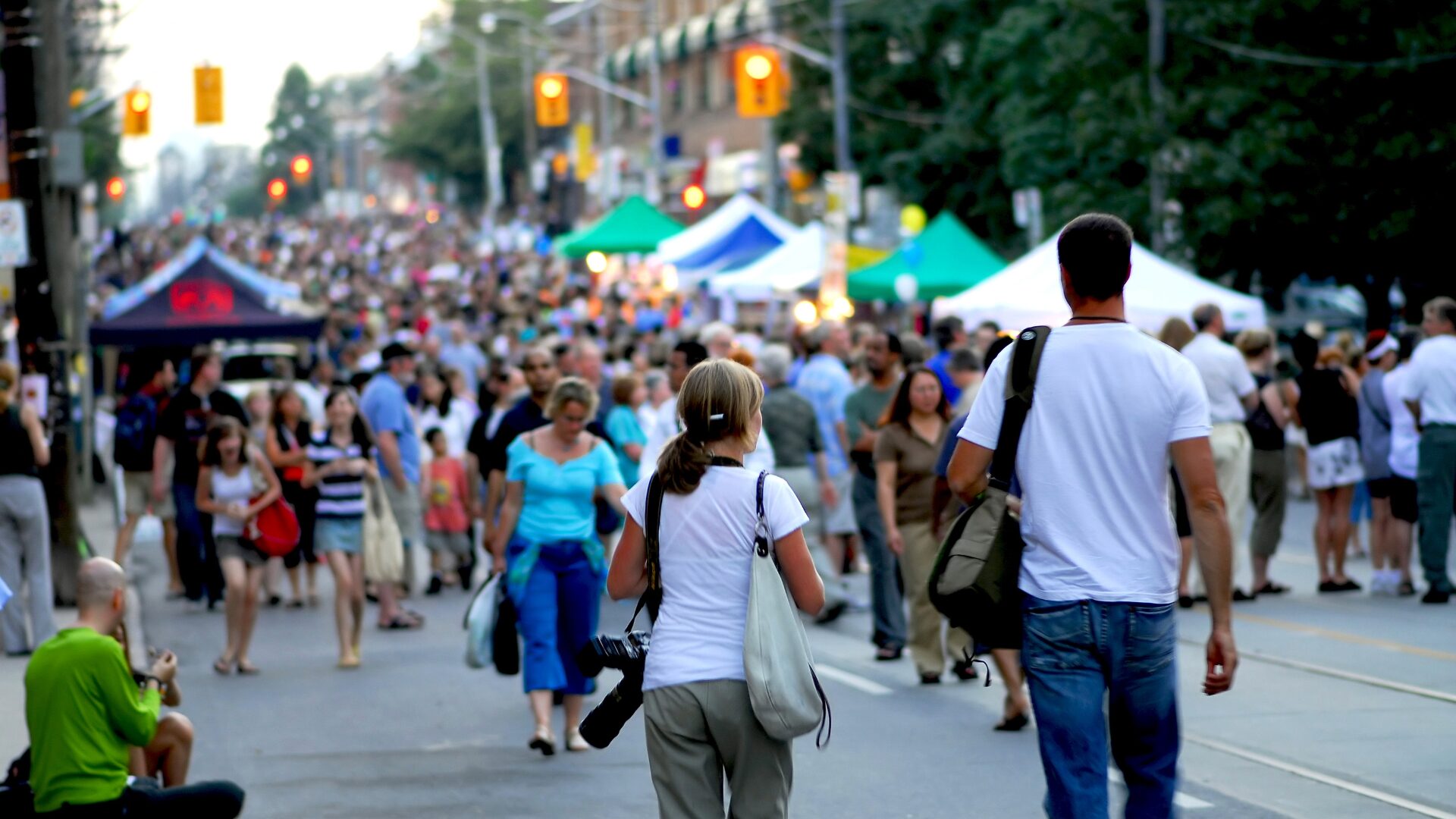
Toronto’s summer festival season attracts large crowds of residents and visitors each year, bringing communities together and showcasing the city’s diversity. While these events are intended to be safe and enjoyable experiences, large crowds, road closures, increased traffic and other unexpected hazards can create situations where injuries occur.
Recent events have understandably raised an important question about safety and security: What can pedestrians do to stay safe during festival season, and how can communities continue working to reduce risks at large events? Reports indicate festival organizers have raised concerns about future participation unless safety measures are strengthened1, while community leaders, law enforcement and policymakers consider ways to improve public safety at large events2.
What risks do pedestrians face during festival season?
Large public events often bring together thousands of people in relatively small spaces. While organizers work closely with municipalities, emergency services and security personnel to develop safety plans, crowded environments can still present risks.
Some potential hazards include:
- Slip, trip and fall incidents
- Pedestrian-vehicle collisions near road closures or detours
- Overcrowding and crowd surges
- Limited visibility due to large crowds
- Emergency situations requiring rapid evacuation
- Distracted walking caused by mobile devices or festival activities
Although these risks may be uncommon, they can result in serious injuries when they occur.
What can pedestrians do to stay safe at festivals?
While safety planning is a shared responsibility, there are several steps attendees can take to reduce their risk of injury:
- Stay aware of your surroundings: Remain alert near intersections, entrances and exits. Pay attention to changing crowd conditions and potential hazards around you.
- Use designated walking areas: Follow marked pedestrian routes and cross only at designated crossings. Avoid taking unauthorized shortcuts.
- Identify emergency exits and meeting points: Take a few moments to identify exits and establish a meeting location in case you become separated from family and friends.
- Follow instructions from event staff and emergency personnel: Listen to event staff and emergency personnel, as they are often trained to respond to developing situations. Following their directions can help protect your safety and the safety of others.
- Be mindful of children and older adults: Keep an eye on young children, seniors and individuals with mobility challenges, as they may need additional assistance in crowded environments.
Why is injury prevention important?
Many injuries that occur at public events are preventable. Awareness, preparation and responsible planning can significantly reduce the likelihood of accidents.
For individuals who suffer injuries, the consequences can extend beyond the initial incident. Serious injuries may result in medical expenses, lost income, rehabilitation needs and long-term impacts on quality of life. This is why injury prevention remains an important public safety objective for event organizers, municipalities and attendees alike.
Is festival safety solely the responsibility of organizers?
Public safety is most effective when it is approached as a shared responsibility between organizers, government agencies, emergency responders and attendees.
Event organizers play a critical role in planning for public safety before and during an event. Their responsibilities include developing safety plans and coordinating with public authorities. Municipal governments also support these efforts by overseeing permits, road closures and emergency planning. Police, firefighters and paramedics help maintain public safety and respond when emergencies arise.
Attendees also play an important role in creating a safe environment. Remaining aware of their surroundings, following event guidelines, and reporting safety concerns can help reduce risks and support the overall safety of everyone in attendance.
While no single group can eliminate every risk, collaboration and preparedness help support safer, more enjoyable experiences at Toronto’s festivals and community events.
What can help reduce injuries at future festivals?
While no public event is entirely risk-free, ongoing safety planning, crowd-management strategies and co-ordination among organizers, municipalities and emergency services can help reduce the likelihood of preventable injuries.
Toronto’s festivals play an important role in bringing communities together. Continued focus on awareness, preparedness and public safety can help ensure these events remain both welcoming and safe for all attendees.
Frequently asked questions
How can pedestrians stay safe at Toronto’s festivals?
Stay aware of your surroundings, use designated walkways and crossings, and follow directions from event staff or emergency personnel. Identifying emergency exits ahead of time can also help reduce the risk of injury.
What are the most common pedestrian injuries at festivals?
Common festival-related injuries may include slip-and-fall incidents, trip hazards, crowd-related incidents and pedestrian-vehicle collisions. Depending on the circumstances, these incidents can result in anything from minor injuries to serious physical harm.
Who is responsible for safety at public festivals?
Public safety is a shared responsibility. Event organizers, municipalities, emergency responders and attendees all play a role in maintaining a safe environment and reducing risks.
Can I be injured even if a festival has safety measures in place?
Yes. While organizers implement safety plans and risk management measures, no public event is entirely risk-free. Large crowds, changing conditions and unexpected incidents can still result in injuries.
What should I do if I am injured at a festival?
Seek medical attention as soon as possible and report the incident to the event staff. If it is safe to do so, document the scene, gather witness information and keep records of any medical treatment or expenses related to your injury. These records are vital for any injury claim.
Can I seek compensation if I was injured at a festival?
Depending on how the injury occurred, you may be entitled to pursue compensation for your losses or injuries. Under Ontario’s Occupiers’ Liability Act, event organizers, venue owners and event security providers may be considered liable if your injury resulted from their negligence3. Being partly at fault does not necessarily prevent you from receiving compensation, as Ontario courts may apply contributory negligence.
Lexicon
Contributory negligence A legal principle that may reduce a person’s compensation if they are found partially responsible for their own injuries. In Ontario, being partly at fault does not automatically prevent someone from recovering damages.
Crowd surge A sudden movement or compression of a large group of people that can increase the risk of falls, trampling or other injuries.
Occupiers’ Liability Act Ontario legislation that requires property occupiers, including event organizers and venue operators, to take reasonable steps to keep visitors safe while on their premises.
Pedestrian-vehicle collision An incident in which a pedestrian is struck by a vehicle, often resulting in injuries ranging from minor to severe.
Security personnel Individuals or teams hired to help maintain safety and order at public events. Depending on the circumstances, security personnel may be employed by event organizers, venue operators or third-party security companies.
Slip, trip and fall incident A common type of accident that occurs when a person loses their footing due to hazards such as uneven surfaces, debris, spills or obstacles.
What to do if you’ve been injured in an accident at a festival
If you’ve been injured in an accident, speak with a Thomson Rogers lawyer. Thomson Rogers LLP is a Toronto-based law firm with nearly a century of experience representing plaintiffs in personal injury, medical malpractice and civil litigation matters across Ontario. The firm’s Personal Injury Group holds national and Toronto Tier 1 rankings for personal injury litigation by Best Law Firms™, and is recognized as one of Ontario’s Top 10 Personal Injury Boutiques by Canadian Lawyer, known for handling complex, high-stakes cases with skilled and compassionate advocacy.
Schedule a free consultation with the expert legal team at Thomson Rogers. Call us at 416-868-3100 or 1-888-223-0448, or contact us online to get the compensation you deserve.
Stephen Birman is the Managing Partner-Designate of Thomson Rogers LLP. Stephen is an LSO Certified Specialist in Civil Litigation and is ranked in peer-reviewed publications such as Lexpert® and The Best Lawyers™ in Canada. Stephen can be reached at 416-868-3137 or by email.
Sources
- Morgan, R. (2026, July 20). Salsa on St. Clair won’t return if safety concerns aren’t addressed: Organizer. Global News. https://globalnews.ca/news/11973223/salsa-on-st-clair-safety-concerns-organizers/
- Baah, A. (2025, May 26). Security measures discussed at Toronto Festival and Event Safety Summit in light of Vancouver attack. CityNews Toronto. https://toronto.citynews.ca/2025/05/26/security-measures-discussed-at-toronto-festival-and-event-safety-summit-in-light-of-vancouver-attack/
- Government of Ontario. (2021). Occupiers’ Liability Act, R.S.O. 1990, c. O.2. https://www.ontario.ca/laws/statute/90o02
Share this


Related articles:


Stay Informed
Subscribe to receive updates on the latest news from Thomson Rogers LLP as well as invitations to seminars, webinars and more.