
Waymo and the New Frontier: What Happens If a Self-Driving Car is Involved in an Accident?
Author(s): Anna H. Kiraly, Stephen M. Birman*
July 3, 1994
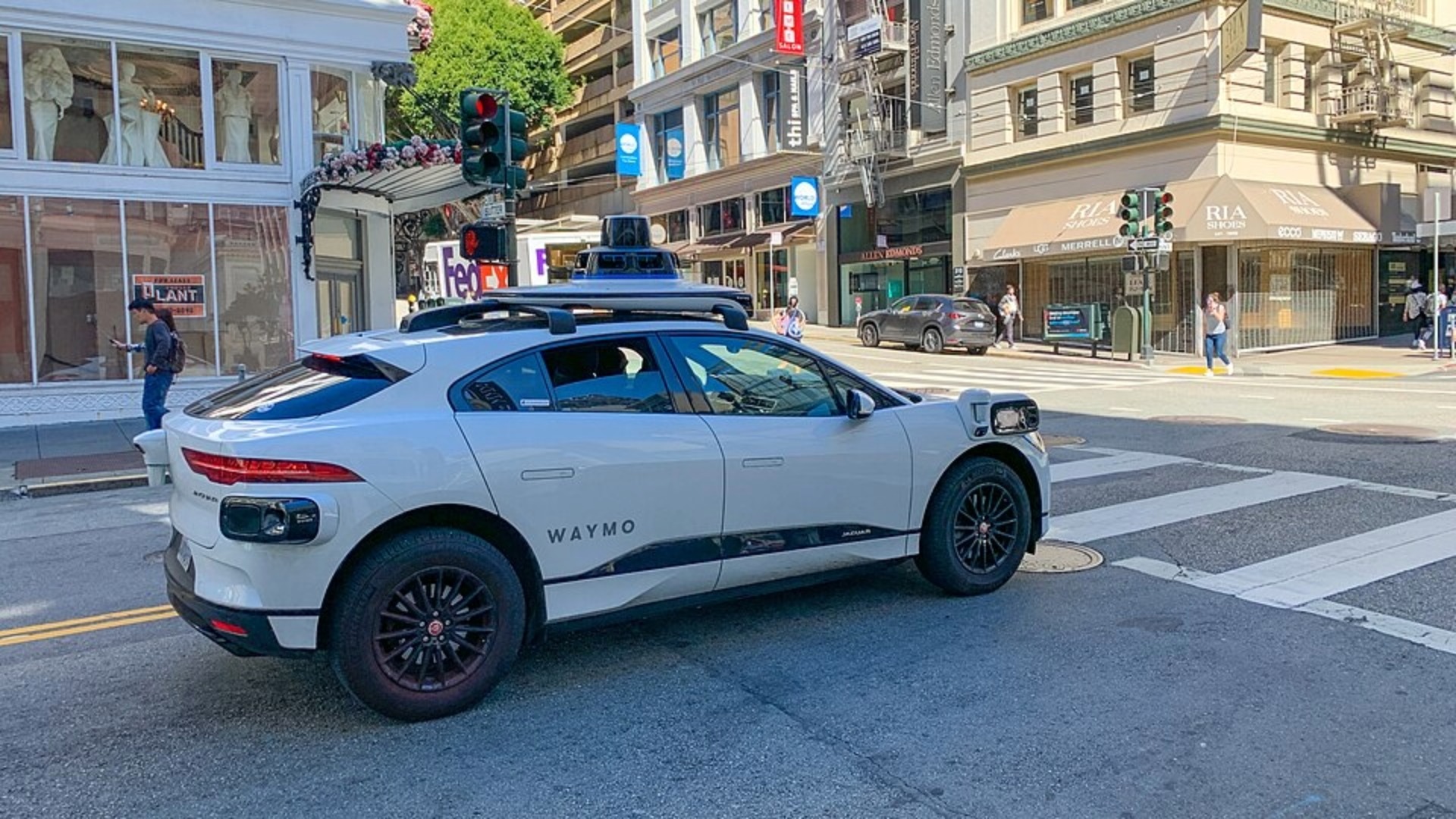
Who is responsible for an accident when nobody is driving?
If a passenger, pedestrian, cyclist or another motorist is injured by an autonomous vehicle, can they still receive accident benefits? Can they sue? And if so, who do they sue?
Waymo, the autonomous-driving company owned by Alphabet, has announced plans to begin testing vehicles on Toronto streets, with the goal of launching a fully autonomous ride-hailing service in Toronto in 2028.1 The initial Toronto testing is expected to involve trained safety drivers before moving toward fully autonomous operation.
Ontario has already created a regulatory framework for testing automated and driverless vehicles through its Automated Vehicle Pilot Program2 and Ontario Regulation 306/15.3
For the most part, Ontario already has legal mechanisms capable of addressing accidents involving autonomous vehicles. But self-driving technology could make determining why an accident happened and who is legally responsible considerably more complex.
Would Accident Benefits Still Be Available After a Waymo Accident?
Ontario’s Statutory Accident Benefits Schedule (“SABS”) provides accident benefits to people injured in automobile accidents. Importantly, entitlement to accident benefits does not depend on proving that another driver negligently caused the collision.
That no-fault framework applies to motor vehicles, including autonomous vehicles.
Consider a passenger injured while riding in a completely driverless taxi. There may be no human driver inside the vehicle to blame for the accident. That does not prevent the injured passenger from having an accident-benefits claim.
What Accident Benefits Would Be Available?
Ontario’s automobile insurance regime changed substantially on July 1, 2026.
Medical, rehabilitation and attendant-care benefits remain part of the mandatory accident-benefits framework. A number of other benefits, however, became optional.4
As a result, the particular benefits available following an autonomous-vehicle accident may depend upon the insurance coverage in place and the injured person’s status under an applicable policy.
For people who do not fall within the categories eligible for optional benefits under an applicable policy, the accident-benefits coverage available to them may be significantly narrower.
The important point is that the arrival of driverless cars does not mean the disappearance of Ontario’s accident-benefits system.
Can You Sue If a Driverless Car Causes an Accident?
Potentially, yes.
The fact that nobody is sitting behind the wheel does not mean that an injured person is left without a potential defendant.
In fact, Ontario’s regulatory regime expressly contemplates liability arising from automated vehicles. Among other things, Ontario Regulation 306/15 imposes significant liability-insurance requirements on autonomous vehicles.5
But the really interesting change may not be whether an injured person can sue.
It may be what the injured person has to prove.
Traditional motor-vehicle litigation tends to focus heavily on human conduct. Was the driver speeding? Distracted? Following too closely? Did the driver fail to see a pedestrian or cyclist who should have been seen?
With a fully autonomous vehicle, an entirely different set of questions may emerge:
- What did the vehicle’s sensors detect immediately before the collision?
- What did they fail to detect?
- Was a sensor obscured by snow, ice, dirt or some other condition?
- Did the system incorrectly identify a pedestrian, cyclist, other vehicle or road condition?
- Was the vehicle’s hardware functioning properly?
- Was its software operating properly?
- Had relevant maintenance been performed?
- Could a defect in the vehicle or automated-driving system have contributed to the collision?
In other words, the vehicle’s digital evidence could become as important as eyewitness evidence has traditionally been after a collision.
Who Could Be Sued After an Autonomous-Vehicle Accident?
Depending upon why the accident occurred, there may potentially be several responsible parties.
The Owner or Lessee of the Autonomous Vehicle
Ontario has specifically attempted to address the problem created when there is no conventional driver as the regulatory regime governing automated vehicles preserves the possibility of recovery from the owner or lessee of an automated vehicle.6 That is an important protection because it provides an identifiable potential defendant even when the driver’s seat is empty.
The Vehicle Manufacturer or Technology Developer
An autonomous-vehicle collision could also raise an entirely different kind of liability question.
What if the accident was caused not by the conduct of a human being, but by the technology controlling the vehicle?
An investigation may need to consider whether a vehicle component or automated-driving system was defective, whether sensors performed as intended, whether the software correctly interpreted the surrounding environment, and whether an alleged defect actually contributed to the collision.
Where software is making decisions traditionally made by a human driver, a serious accident could therefore require investigation of the automated-driving system itself and potentially the entities responsible for its design or manufacture.
That does not mean the manufacturer or technology developer will automatically be responsible whenever an autonomous vehicle crashes. Causation and legal responsibility would still have to be established based upon the particular circumstances of the accident.
But it does point toward an important potential change in motor-vehicle litigation.
Autonomous-vehicle cases may increasingly become a hybrid of conventional automobile negligence litigation and sophisticated product-liability litigation.
Who Might Have a Claim?
An accident involving an autonomous vehicle can potentially give rise to claims by passengers, occupants of other vehicles, pedestrians and cyclists who suffer compensable injuries.
The precise claim and appropriate defendants will depend upon how the accident happened and who is legally responsible.
Family members may also have claims in appropriate circumstances. Section 61 of Ontario’s Family Law Act permits specified family members, including spouses, children, grandchildren, parents, grandparents and siblings, to claim certain losses resulting from injury to their relative, including loss of care, guidance and companionship.
The Road Ahead
Self-driving vehicles may remove the human driver, but they do not remove the legal rights of people injured in motor-vehicle accidents.
What autonomous vehicles could change considerably is the investigation required to determine why the accident happened and who should ultimately bear responsibility.
Instead of focusing exclusively on the actions of a driver, lawyers investigating these accidents may increasingly need to understand the vehicle itself, its sensors, its software, its maintenance and the decisions made by its automated-driving system.
As autonomous vehicles arrive on Ontario roads, preserving relevant vehicle data and identifying the entities involved in the vehicle and its automated-driving technology may therefore become increasingly important.
If you or a family member has been seriously injured in a collision involving an autonomous or self-driving vehicle, Thomson Rogers LLP can help determine what accident benefits may be available and whether you have a claim against the parties responsible.
Schedule a free consultation with the Personal Injury team at Thomson Rogers LLP. Call 416-868-3100 or 1-888-223-0448, or contact us online.
- “Waymo to launch first phase of driverless taxi testing in Toronto with service expected in 2028” by Arrthy Thayaparan, CBC News, October 16, 2026. ↩︎
- Ontario began a pilot program in 2016 to allow the testing of automated vehicles (AVs) on Ontario’s roads under strict conditions, including a requirement to have a driver for safety reasons. The pilot program has been extended until October 13, 2027 and now allows for entirely driverless vehicles to be on the road. See Automated Vehicle Pilot Program | ontario.ca. ↩︎
- See section 13.1 of Ontario Regulation 306/15. ↩︎
- See “The End of No-Fault As We Know It” via the Canadian Lawyer in partnership with Thomson Rogers LLP ↩︎
- See section 2.2 of Ontario Regulation 306/15. ↩︎
- See section 2.1 of Ontario Regulation 306/15. ↩︎
Share this


Related articles:

Stay Informed
Subscribe to receive updates on the latest news from Thomson Rogers LLP as well as invitations to seminars, webinars and more.
