National Drowning Prevention Week: What Ontario’s Drowning Statistics Reveal About Water Safety
Author(s): Ian W. K. Furlong
July 20, 2026
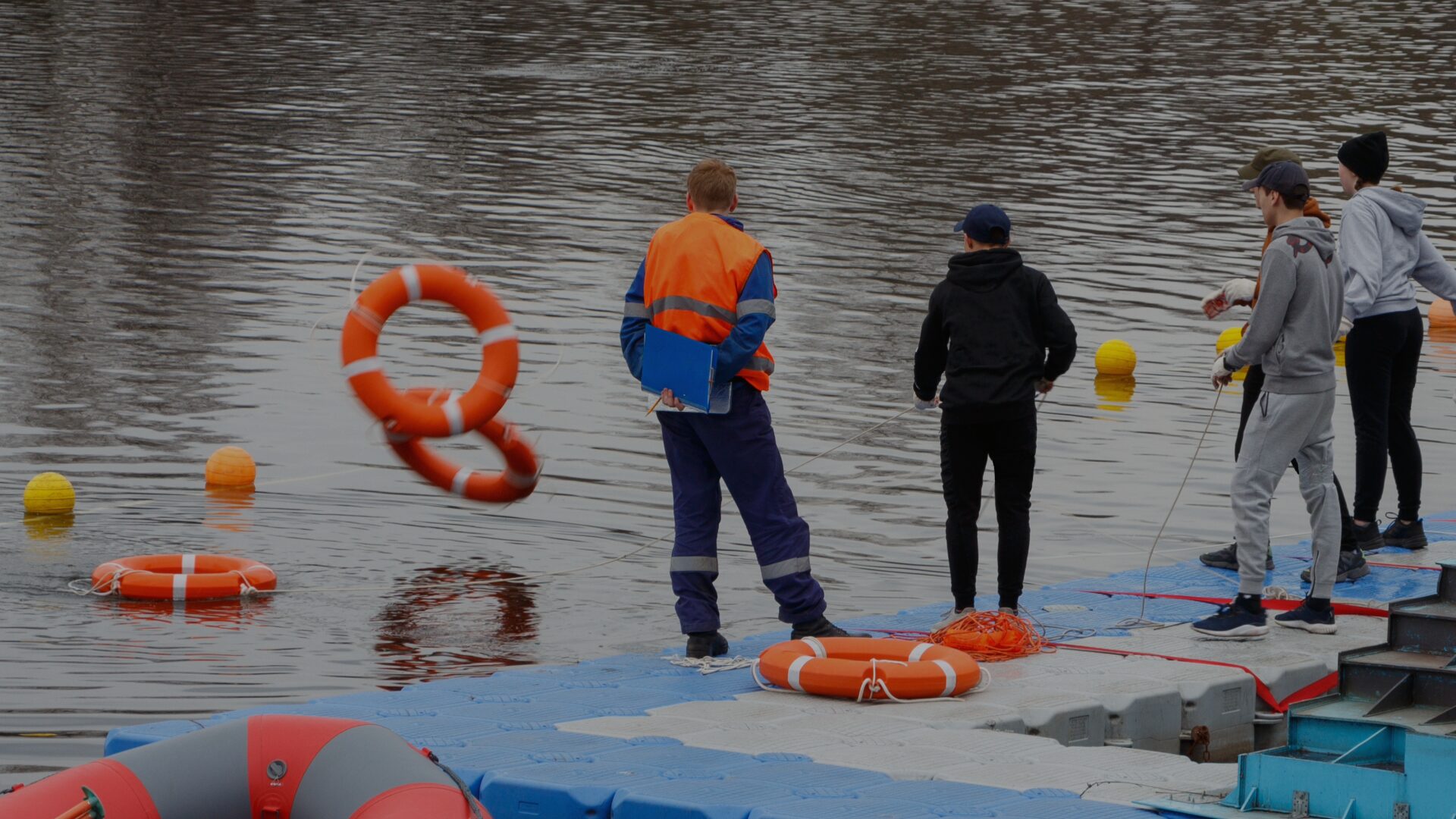
Every July, as Ontarians head to lakes, pools and cottages to make the most of summer, the Lifesaving Society marks National Drowning Prevention Week (NDPW). In 2026, NDPW runs from July 19 to 25, coinciding with World Drowning Prevention Day on July 25, a day recognized by the World Health Organization to raise awareness of drowning as a leading cause of preventable death1.
For families across Ontario, this week is a reminder that a single moment of distraction, a missing lifejacket or an unsupervised swim can change a life forever. It is also an opportunity to look at what the data tells us about the drowning risk in this province, and where legal responsibility can come into play when negligence contributes to a water-related tragedy.
Key Facts at a Glance
- Ontario averages 164 drowning deaths per year4, or an estimated 3,200 to 3,300 fatal drownings between 2006 and 2025.
- For every fatal drowning in Ontario, there are nearly four non-fatal drownings serious enough to require an emergency department visit4.
- Ontario records an average of 568 emergency department visits and 100 hospitalizations due to non-fatal drowning each year4.
- Approximately one-third of boating-related drowning deaths between 2013 and 2022 involved alcohol or drugs3.
- More than 400 Canadians die in preventable water-related incidents every year2.
The Scope of the Problem in Ontario
Drowning remains one of the leading causes of unintentional death in Ontario. On average, the province records 164 drowning deaths every year4. Over a 20-year span, from 2006 to 2025, that adds up to an estimated 3,200 to 3,300 fatal drownings; that’s a scale of loss that rarely makes headlines outside of the individual tragedies behind each number.
Nationally, the picture is just as sobering. The Lifesaving Society reports that more than 400 Canadians die in preventable water-related incidents each year2.
Non-fatal Drowning: An Overlooked Injury
Fatal drownings only tell part of the story. According to the Ontario Non-Fatal Drowning Report, 2023, prepared for the Lifesaving Society by the Drowning Prevention Research Centre Canada, every year Ontario averages 568 emergency department visits and 100 hospitalizations due to non-fatal drownings4. For every one fatal drowning in the province, there are nearly four non-fatal drownings serious enough to require emergency care4, and these incidents can leave survivors with lifelong health consequences, including brain injury.
Children and youth under 20 face the highest rate of non-fatal drowning emergency visits, while older adults face the highest rate of fatal drowning4. Boating and swimming pools are consistently identified as the settings most often associated with these incidents4.
Alcohol, Boating and Preventable risk
Boating safety is a recurring theme of NDPW, and the statistics explain why. More than one-third of drowning deaths associated with boating involve a person under the influence of alcohol or drugs3. Alcohol impairs judgment, balance and reaction time, and its effects are intensified on the water by sun, wind and boat motion.
Where a boat operator’s impaired or negligent conduct contributes to a drowning or a near-drowning, the people affected may have grounds to pursue a personal injury or a fatal accident claim, or a claim under the family law act.
Top 5 Tips for Drowning Prevention
- Never leave children unsupervised in, on or around water. Drowning can happen silently and in seconds, so stay within arm’s reach of young children and non-swimmers2.
- Wear a lifejacket or PFD, every time. A lifejacket, not just a PFD stored on board, is what keeps a person afloat and face-up in the water2.
- Stay sober around water. Alcohol and cannabis both impair the judgment and reflexes needed to swim, supervise or operate a boat safely2.
- Learn to swim and build survival skills. Most drowning victims never intended to enter the water. Basic swimming ability can be the difference between a close call and a tragedy2.
- Know your surroundings before you go in. Check water depth, currents, weather and posted signage at lakes, rivers and beaches, and never swim alone1.
When a Drowning Incident Raises Legal Questions
Most water-related injuries and deaths are preventable, and many occur because of a gap in supervision or maintenance. Inadequate lifeguard supervision at a public pool, missing or non-compliant pool fencing, a lack of warning signage at a known hazard or a boat operator’s impaired or reckless conduct can all point to negligence.
For families coping with the aftermath of a drowning injury or the loss of a loved one, understanding whether negligence played a role is an important first step, both in preventing future incidents and in pursuing accountability. As swimming pool accident lawyers and boating accident lawyers serving Ontario, Thomson Rogers has represented families across the province in fatal accident and water-related injury claims, and can help families understand their options during an already difficult time.
Families in Ontario affected by a drowning injury or the loss of a loved one are encouraged to contact Thomson Rogers to discuss their legal options with a member of the firm’s personal injury team.
About Thomson Rogers LLP’s Personal Injury Group
Thomson Rogers LLP is a Toronto-based law firm with nearly a century of experience representing plaintiffs in personal injury, medical malpractice and civil litigation matters across Ontario. The firm’s Personal Injury Group holds National and Toronto Tier 1 rankings for Personal Injury Litigation by Best Law Firms™, and is recognized as one of Ontario’s Top 10 Personal Injury Boutiques by Canadian Lawyer, known for handling complex, high-stakes cases with skilled and compassionate advocacy.
Schedule a free consultation with the expert legal team at Thomson Rogers. Call us at 416-868-3100 or 1-888-223-0448, or contact us online to get the compensation you deserve.
Ian Furlong is a Personal Injury Lawyer and a Partner at Thomson Rogers LLP. Ian is listed in peer-reviewed publications – Lexpert® and The Best Lawyers™ in Canada and is ranked AV preeminent in Martindale-Hubbell®. Ian can be reached at 416-868-3226 or by email.
Frequently Asked Questions
How many people drown in Ontario each year?
Ontario averages 164 drowning deaths per year, according to Public Health Ontario and the Drowning Prevention Research Centre Canada4. Over 20 years, from 2006 to 2025, this amounts to an estimated 3,200 to 3,300 fatal drownings across the province.
What is National Drowning Prevention Week?
National Drowning Prevention Week (NDPW) is an annual public awareness campaign led by the Lifesaving Society during the third week of July, timed to coincide with the summer peak in water-related incidents1. NDPW 2026 runs from July 19 to 25 and includes World Drowning Prevention Day on July 251.
Is non-fatal drowning common in Ontario?
Yes. Non-fatal drowning is nearly four times as common as fatal drowning in Ontario, with an average of 568 emergency department visits and 100 hospitalizations each year4. Children and youth under 20 face the highest rate of non-fatal drowning emergency visits4s.
Can you pursue a legal claim after a drowning incident in Ontario?
Where negligence, such as inadequate supervision, unsafe premises or an impaired boat operator, contributes to a drowning or near-drowning, the people affected may have grounds to pursue a personal injury or fatal accident claim. A personal injury lawyer can help assess whether negligence played a role.
Sources
- Lifesaving Society BC & Yukon. National Drowning Prevention Week. Accessed July 2026. https://www.lifesaving.bc.ca/watersmart-education/national-drowning-prevention-week/
- Lifesaving Society Ontario. National Drowning Prevention Week. Accessed July 2026. https://www.lifesavingsociety.com/water-safety/community-events/national-drowning-prevention-week.aspx
- Public Health Grey Bruce. Water Safety. Accessed July 2026. https://www.publichealthgreybruce.on.ca/Your-Health/Injury-Prevention/Water-Safety
- Public Health Ontario and Drowning Prevention Research Centre Canada. Ontario Non-Fatal Drowning Report, 2023. 2023. https://www.publichealthontario.ca/-/media/Documents/O/2023/ontario-non-fatal-drowning-report-2023.pdf
- Government of British Columbia. Coroner, Lifesaving Society remind British Columbians to be water safe. News release. https://news.gov.bc.ca/releases/2024PSSG0058-000992
Share this


Related articles:




Stay Informed
Subscribe to receive updates on the latest news from Thomson Rogers LLP as well as invitations to seminars, webinars and more.