What to Do After a Car Accident in Toronto: A Step-by-Step Guide
Author(s): Michael L. Bennett*
June 26, 2026
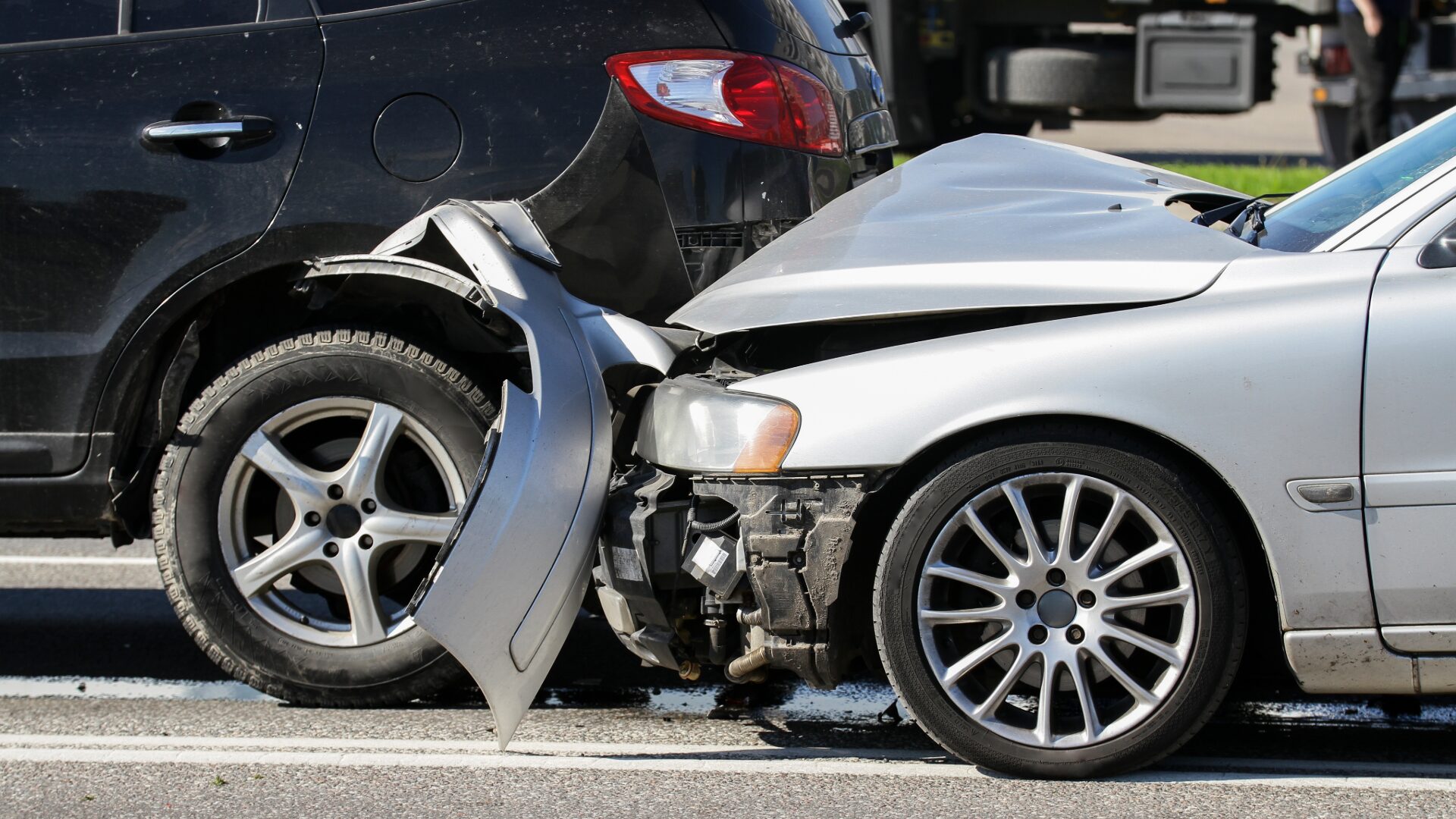
A car crash in Toronto (or any city in Ontario for that matter) can leave you shocked, overwhelmed and unsure of what to do next. In a city where tens of thousands of collisions occur every year, knowing what steps to take can protect your health, strengthen your insurance or injury claim and preserve your legal rights.
Quick Overview: Steps to Take After a Car Accident in Toronto
| Step | What to Do | Why It Matters |
| 1 | Ensure safety and call 911 if needed | Secures medical help and emergency response |
| 2 | File a report | Required under Ontario law for injury or significant damage |
| 3 | Exchange information | Needed for insurance and liability assessment |
| 4 | Document the scene | Supports insurance and potential injury claims |
| 5 | Seek medical attention | Identifies injuries and creates medical evidence |
| 6 | Notify your insurer | Starts the accident benefits process |
| 7 | Keep records and speak with a lawyer | Protects your rights and strengthens your claim |
1. Ensure Safety and Call for Help
Your first priority is safety. Check yourself and others for injuries and call 911 if anyone needs medical attention. When possible, move your car out of live traffic, turn on hazard lights, and set up warning signals to prevent secondary accidents.
2. File a Report
In Ontario, there are strict reporting obligations. Under the Highway Traffic Act, any collision involving injury or more than $5,000 in combined damage must be reported to police immediately. Minor collisions should be reported at a collision reporting centre within 24 hours. More serious accidents are usually investigated by the Police, and a formal Motor Vehicle Accident Report will be generated. Failing to report can delay insurance benefits and weaken a future injury claim, so it is important to follow these requirements closely.
3. Exchange Information
Collect essential information from all drivers involved, including:
- Names
- Contact details
- Driver’s licence numbers
- Licence plate numbers
- Insurance information
If there are witnesses, consider asking for their contact information as well. Witness statements often help resolve disputes about how the collision occurred.
4. Document the Scene of the Toronto Car Accident
Accident documentation is one of the most effective ways to support an insurance or injury claim. Use your phone to take photos and videos:
- Vehicle damage
- Skid marks
- Traffic signals
- Road conditions
- Weather
- Your injuries
This footage can be persuasive evidence if liability is contested or if an insurer attempts to minimize the severity of the crash.
5. Seek Medical Attention
Even if injuries seem minor or you feel fine, see a doctor promptly. If hospitalization is required, it is better to go by ambulance rather than drive to a hospital yourself. Some injuries — such as concussions, soft-tissue injuries or internal trauma — may take hours, days or longer to develop symptoms. Medical records created immediately after a collision are critical evidence when pursuing accident benefits or a personal injury claim.
6. Notify Your Insurance Company and Be Cautious of Early Settlement Offers
Ontario’s no-fault insurance system means you will typically access coverage through your own insurer, regardless of who caused the crash. Report the collision as soon as possible, ideally within seven days. If you, or the vehicle in which you were an occupant, does not have auto insurance, you may claim accident benefits through the insurer of the other involved car and this insurer ought to be notified promptly as well.
If you were injured, you will be eligible for Statutory Accident Benefits, which can include:
- Medical and Rehabilitation Expenses
- Attendant Care Benefits
- Income Replacement Benefits
After July 1, 2026, entitlement to accident benefits other than Medical and Rehabilitation, and Attendant Care Benefits will depend on the optional benefits purchased by the policy holder and your ability to claim under that policy.
7. Keep Organized Records and Speak with a Lawyer
Maintain organized records of:
- Medical treatment
- Out-of-pocket Expenses
- Insurance correspondence
- Time missed from work
- How your injuries affect daily life
These details strengthen your claim and support future negotiations.
Final Thoughts on What to Do After a Car Accident in Toronto
Understanding what to do after a car accident in Toronto can make an overwhelming experience more manageable. Taking the right steps early helps protect your health, your benefits and your ability to pursue fair compensation so you can move forward with confidence and clarity.
If you have been injured in a collision, you do not have to face the process alone. A dedicated Ontario car accident lawyer can guide you through your benefits, your legal options and the steps needed to secure full compensation. Schedule a free consultation with the expert legal team at Thomson Rogers. Call us at 416-868-3100 or 1-888-223-0448, or contact us online to get the compensation you deserve.
Frequently Asked Questions About Car Accidents in Toronto
What should I do immediately after a car accident in Toronto?
After a car accident in Toronto, first check yourself and others for injuries and call 911 if medical help is needed. If it is safe, move your vehicle out of live traffic, turn on hazard lights, and set up warning signals to help prevent another collision.
When do I need to report a car accident in Ontario?
In Ontario, a collision involving injury or more than $5,000 in combined damage must be reported to police immediately. Minor collisions should be reported at a Collision Reporting Centre within 24 hours.
What information should I exchange after a Toronto car accident?
Exchange names, contact details, driver’s licence numbers, licence plate numbers and insurance information with all drivers involved. If there are witnesses, ask for their contact information as well because witness statements can help resolve disputes about how the crash happened.
Why is it important to document the accident scene?
Documenting the accident scene can support an insurance or injury claim. Photos and videos of vehicle damage, skid marks, traffic signals, road conditions, weather and visible injuries may be persuasive evidence if liability is disputed or an insurer minimizes the crash.
Should I see a doctor after a car accident if I feel fine?
Yes. Some injuries, including concussions, soft-tissue injuries and internal trauma, may take hours, days or longer to develop symptoms. Prompt medical attention also creates medical records that can be important evidence for accident benefits or a personal injury claim.
When should I notify my insurance company after a car accident in Ontario?
You should report the collision to your insurer as soon as possible, ideally within seven days. In Ontario’s no-fault insurance system, you will typically access coverage through your own insurer regardless of who caused the crash.
What accident benefits may be available after a car accident?
If you were injured, statutory accident benefits may include medical and rehabilitation expenses, income replacement benefits and attendant care benefits.
If your accident occurs after July 1, 2026, only Medical and Rehabilitation, and Attendant Care Benefits are guaranteed unless optional benefits are purchased.
For accidents after that date, you may wish to speak with an Ontario injury lawyer regarding which auto insurance should be contacted to make a claim. If you claim under the wrong policy, certain optional accident benefits may not be available.
What records should I keep after a car accident in Toronto?
Keep organized records of medical treatment, expenses, insurance correspondence, time missed from work and how your injuries affect daily life. These records can strengthen your claim and support future negotiations.
Share this


Related articles:




Stay Informed
Subscribe to receive updates on the latest news from Thomson Rogers LLP as well as invitations to seminars, webinars and more.