Higher Speed Limits, Fewer Insurance Benefits: What Ontario’s Summer 2026 Changes Mean for Drivers
Author(s): Lucy G. Jackson
July 28, 2026
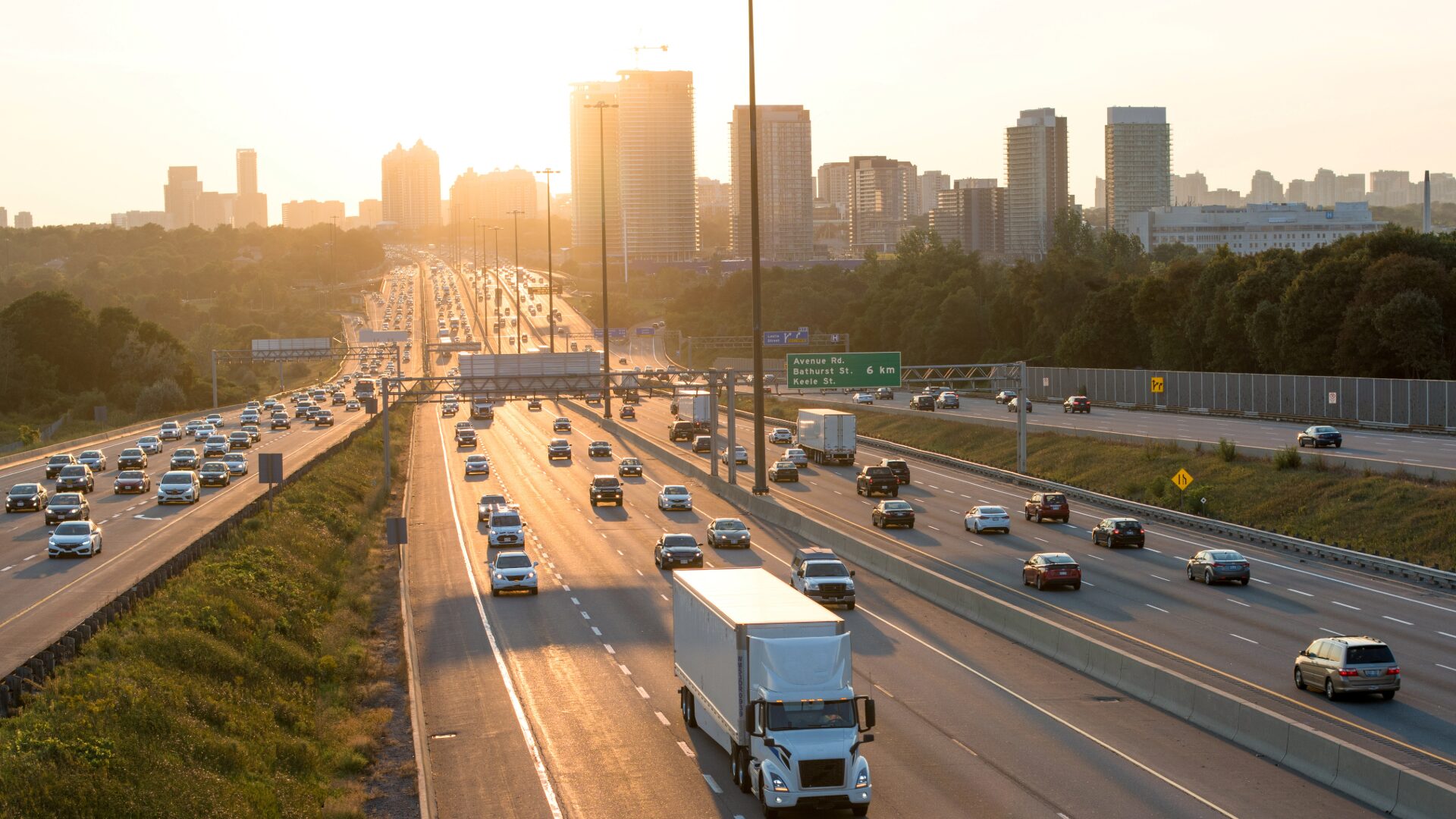
The summer of 2026 has brought two major changes to Ontario roads and insurance policies, and the timing is worth a closer look. Just as speed limits rise on hundreds of kilometres of provincial highway, the no-fault benefits available to people injured in car accidents are shrinking. For Ontario drivers, passengers, cyclists and pedestrians, understanding both changes matters, because together they reshape what happens after a crash.
Key Facts
- Speed limits are rising from 100 km/h to 110 km/h on 938 additional kilometres of Ontario highway, with the rollout continuing through September 30, 20261.
- Once complete, 89% of Ontario’s highway network will carry a 110 km/h limit, up from 43% today1.
- Starting July 1, 2026, several auto insurance accident benefits moved from mandatory to optional under Ontario Regulation 383/24.
- Only medical, rehabilitation and attendant care benefits remain mandatory after July 1.
Ontario Highway Speed Limits Are Rising
As of September 30, 2026, the speed limit will rise from 100 km/h to 110 km/h on an additional 938 kilometres of provincial highway1.
Once complete, nearly 89% of the province’s highway network will carry a 110 km/h limit, up from 43% today1. The province points to time savings for commuters and commercial transport and says the increases are limited to highway sections that have passed engineering and safety assessments. Road safety advocates have offered mixed reactions. While some consider the change reasonable given modern highway design, others note that higher speeds generally leave drivers with less time to react and can lead to more severe outcomes when a collision occurs.
Auto Insurance Benefits Changed on July 1
Ontario’s auto insurance system has also undergone a significant shift. On July 1, 2026, under Ontario Regulation 383/24, several accident benefits that were automatically included in every policy became optional. Going forward, only medical, rehabilitation and attendant care benefits remain mandatory. Benefits that previously applied to anyone injured in a crash, regardless of fault — including income replacement, non-earner, caregiver, housekeeping, visitor expenses, lost educational expenses, and death and funeral benefits — are now only available if a driver actively selects and pays for them.
Existing policyholders generally keep their current coverage unless they agree in writing to reduce it and remove the optional benefits. Who is covered under those optional benefits has also narrowed, which may leave some passengers, cyclists and pedestrians with less protection than before.
For a full breakdown of what is changing, who it affects and what steps drivers can take now, see our detailed guide, Ontario Auto Insurance Changes July 1, 2026: What You Need to Know.
Why the Timing Matters
Considered together, these two changes point in different directions. Higher speed limits are associated with an increased risk of severe injury in a collision, while the safety net designed to support people financially after a crash is becoming thinner by default. For anyone who drives, rides or walks in Ontario, that combination makes it worth taking a closer look at their personal auto insurance coverage well before the next renewal date, not after an accident has already happened.
Road Safety Tips
- Build in extra following distance on highways with higher posted limits, because vehicles need more time to come to a complete stop at higher speeds.
- Avoid distractions behind the wheel. Reaction time matters more, not less, as speeds rise.
- Check tire condition and vehicle maintenance regularly, particularly before long highway trips.
- Review your auto insurance policy before your next renewal and ask your broker specifically about income replacement, caregiver and non-earner benefits.
- If you regularly travel with passengers who are not a spouse or dependant, confirm whether they have their own direct auto insurance.
- Keep emergency contact and insurance information easily accessible in your vehicle.
Frequently Asked Questions
When do Ontario’s new speed limits take effect?
The increase to 110 km/h applies to an additional 938 kilometres of provincial highway, rolling out in stages between late June and Sept. 30, 20261.
What auto insurance benefits are becoming optional on July 1, 2026?
Income replacement, non-earner, caregiver, housekeeping, visitor expenses, lost educational expenses and death and funeral benefits are all moving from mandatory to optional. Medical, rehabilitation and attendant care benefits remain mandatory.
Will my existing auto insurance policy change automatically?
Generally, no. When your policy comes up for renewal, your insurer or broker should contact you directly to ask whether you would like to add optional benefits for an additional cost.
Pedestrians, passengers and cyclists who do not have direct auto insurance — that is, they are not insured under their own policy or their spouse’s policy, and they are not a listed driver — do not have access to optional benefits if they are injured in a motor vehicle collision.
Why does the timing of these two changes matter for injured drivers?
Higher speed limits are linked to more severe collision outcomes, while the financial support available after a crash is becoming narrower by default, making it more important to review coverage before an accident happens.
If you or a family member has been injured in a motor vehicle collision, understanding what benefits apply to your situation, and what options remain available to you, is an important first step toward recovery.
What To Do If You’ve Been Injured in a Car Accident
If you’ve been injured in a car accident, speak with a Thomson Rogers lawyer. Thomson Rogers LLP is a Toronto-based law firm with nearly a century of experience representing plaintiffs in personal injury, medical malpractice and civil litigation matters across Ontario. The firm’s Personal Injury Group holds National and Toronto Tier 1 rankings for Personal Injury Litigation by Best Law Firms™, and is recognized as one of Ontario’s Top 10 Personal Injury Boutiques by Canadian Lawyer, known for handling complex, high-stakes cases with skilled and compassionate advocacy.
Schedule a free consultation with the expert legal team at Thomson Rogers. Call us at 416-868-3100 or 1-888-223-0448, or contact us online to get the compensation you deserve.
Lucy Jackson is a Personal Injury Lawyer and a Partner at Thomson Rogers LLP and has been recognized by Best Lawyers™ Ones to Watch in Canada. Lucy can be reached at 416-868-3154 or by email.
Sources
- Ontario Newsroom, “Ontario Raising Speed Limits on Most Provincial Highways,” news release, accessed July 27, 2026, https://news.ontario.ca/en/release/1007664/ontario-raising-speed-limits-on-most-provincial-highways.
Share this


Related articles:




Stay Informed
Subscribe to receive updates on the latest news from Thomson Rogers LLP as well as invitations to seminars, webinars and more.