
Injured by a Falling Tree in Toronto? Why you may have the ability to sue.
Author(s): Stephen M. Birman*
November 17, 2026
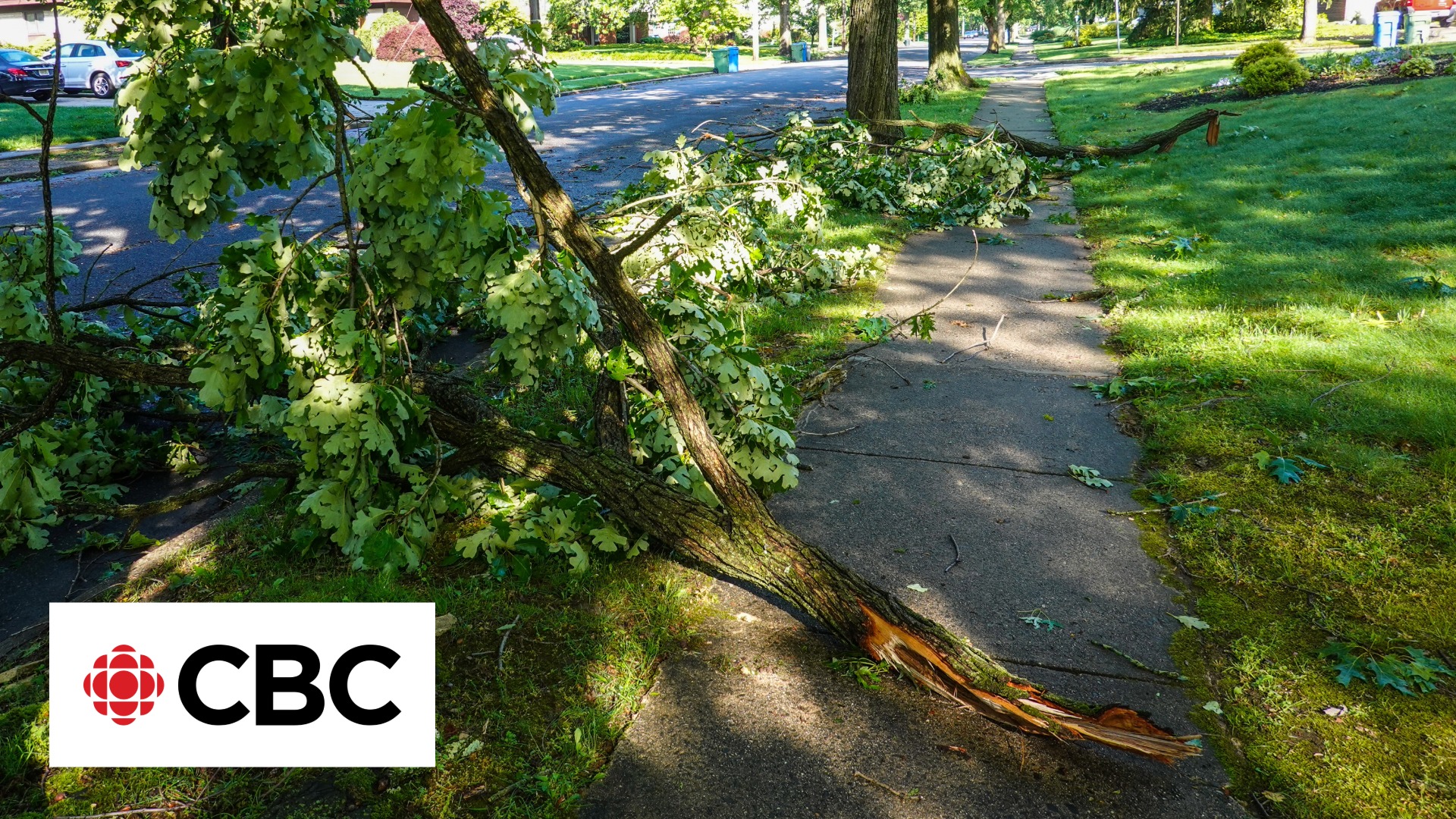
When someone is seriously injured by a falling tree or branch on public property, they may have a claim against the municipality or other party responsible for the property or tree. Thomson Rogers partner Stephen M. Birman* recently spoke with CBC News Toronto’s Tyler Cheese about a Scarborough family facing life-changing circumstances after a relative was struck by a tree branch on a city sidewalk.
What happened: a falling branch on a Scarborough sidewalk
An 81-year-old woman had travelled to Toronto from overseas to visit her son and his family in Scarborough. While she was out for a walk on a sunny afternoon, a large tree branch fell and struck her as she walked along a public sidewalk. She suffered a catastrophic spinal cord injury that left her paralyzed from the neck down.
Before the incident, her family says she was active and independent. Today she needs help with nearly every part of daily life and will require ongoing professional care, rehabilitation, medical supplies and specialized equipment.
Because she was in Canada as a visitor, she was not covered by OHIP. According to the family’s fundraiser, her treatment at Sunnybrook Hospital resulted in roughly $150,000 in medical expenses, and her travel insurance will cover only part of that.
These are costs that may be recoverable in a lawsuit. However, the public should be aware that “cases involving the city or the province are subject to very strict limitation periods and notice periods. They can sometimes be as short as 10 days”, said Stephen Birman.
Is the City of Toronto (or other relevant city/municipality) responsible for falling trees?
“The City of Toronto maintains thousands of trees along streets, on boulevards, and in parks. When a tree or branch the City is responsible for is decayed, damaged or otherwise hazardous, and the City knew or ought to have known about the risk and failed to act reasonably, the City may be legally responsible for the injuries sustained by members of the public.”, says Stephen Birman.
Pinpointing where the incident happened and who controlled that land is one of the first things a lawyer will consider as it impacts who may be liable and what (if any) notice periods can apply. In this case, the branch fell on a public sidewalk, which is the kind of location where the statutory notice requirement may arguably apply.
Deadlines for a claim against the City of Toronto
10-day notice for road and sidewalk claims.
Under section 42(6) of the City of Toronto Act, 2006, a person seeking damages arising from the City’s failure to keep a highway or sidewalk in a reasonable state of repair generally must provide written notice of the claim within 10 days. Similar requirements apply to municipalities elsewhere in Ontario under the Municipal Act, 2001. Whether that 10-day requirement applies to an injury caused by a falling tree or branch depends on the circumstances, including the location of the tree, ownership and control of the property, and the legal basis of the claim. Because the consequences of failing to provide required notice can be significant, anyone seriously injured on municipal property should obtain legal advice and provide notice as soon as possible.
60-day notice for snow and ice on other City property.
If an injury is caused by snow or ice on City property that is not a road or sidewalk, notice must be given within 60 days.
Missing the 10-day deadline is not always fatal.
Even where the 10-day notice requirement applies, late notice is not necessarily fatal. The Act provides exceptions where the injured person dies from the injury, or where a judge finds there was a reasonable excuse for the delay and the City was not prejudiced in its defence.
Two years to start a lawsuit.
Separate and apart from any notice requirement, Ontario’s Limitations Act, 2002 generally requires a lawsuit to be started within two years of the date of the incident.
What to do after a falling tree injury in Toronto
In the days after a catastrophic injury, families are understandably focused on the hospital, not on paperwork. But evidence connected to a falling tree can disappear quickly. Branches are cleared, trees are pruned or removed, and the condition of the tree prior to its failure may never be documented. Early notice puts the City on record and gives the injured person’s lawyer the best chance of preserving the evidence needed to show what went wrong.
If you or a family member are injured by a falling tree or branch on public property:
- Photograph the tree, the branch, and the surrounding area, and keep the branch if it is safe to do so.
- Report the incident to 311 so it is recorded by the City.
- Write down the date, time and exact location, and collect the names of any witnesses.
- Give written notice to the city clerk as soon as possible, and within 10 days where it applies.
- Speak with a personal injury lawyer early, before any deadline passes.
Medical and care costs, including those incurred by someone who is not covered by OHIP, may form part of the damages claimed in a lawsuit. A spinal cord injury lawyer can help families understand what costs may be recoverable and how to protect a claim while they focus on their loved one’s care.
Frequently asked questions
How long do I have to notify the City of Toronto after an injury?
For injuries caused by the condition of a City road or sidewalk, written notice must be given to the city clerk within 10 days. For snow or ice on other City property, the deadline is 60 days. It is best to give notice as soon as possible in every case.
Can I sue the City of Toronto if a tree branch falls on me?
Possibly. The City may be responsible if it knew or should have known a tree was hazardous and did not act reasonably. Whether a claim succeeds depends on the specific facts, including the tree’s condition and the City’s inspection and maintenance history.
What if I missed the 10-day notice deadline?
A late notice does not automatically bar a claim. A Court can allow the claim to proceed if there was a reasonable excuse for the delay and the City was not prejudiced. The 10 day deadline does not apply in fatality cases. Speak with a personal injury lawyer right away.
How long do I have to sue for a personal injury in Ontario?
Generally two years from the date of the incident under Ontario’s Limitations Act, 2002, though the exact timing can depend on the circumstances.
Speak with an Ontario personal injury lawyer
Thomson Rogers has decades of experience representing people across Ontario who have suffered catastrophic injuries, including spinal cord injuries. If you or a loved one has been hurt on municipal property, contact us for a free consultation.
This article provides general information only and is not legal advice. Every case depends on its own facts. If you have been injured, speak with a lawyer about your specific situation as soon as possible.
Share this


Related articles:




Stay Informed
Subscribe to receive updates on the latest news from Thomson Rogers LLP as well as invitations to seminars, webinars and more.
